


Kiskunhalas Project—A Game-Changing Opportunity
Hungary sits in the heart of Central Europe and plays a critical role in the region’s energy system. Today, the country remains reliant on imported natural gas, creating exposure to geopolitical risk and market volatility. Expanding domestic production offers a clear opportunity to strengthen energy security, improve supply reliability, and support long-term economic stability.
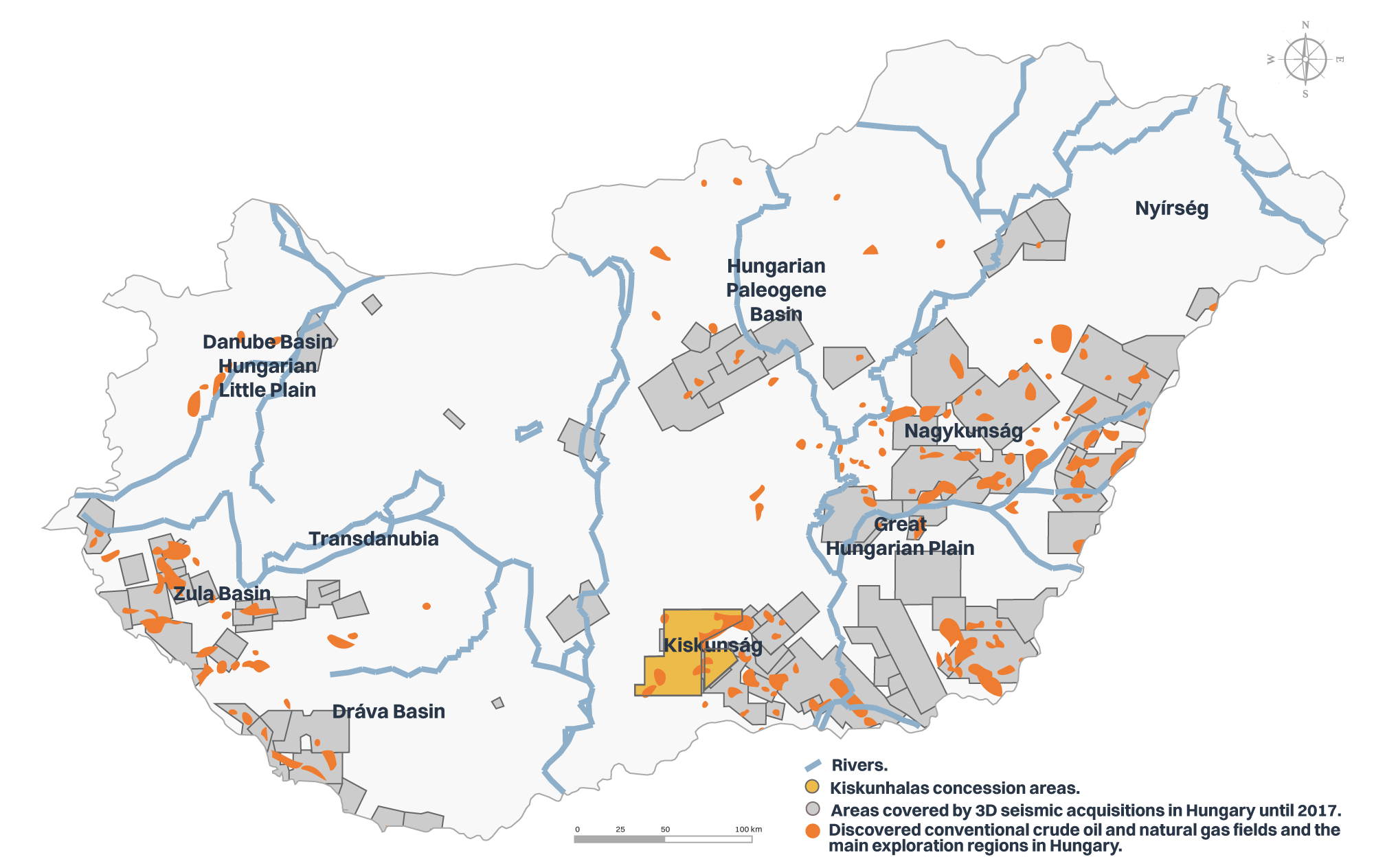
The deep Pannonian Basin is a proven geologic “super basin” with significant hydrocarbon resources.
Within this basin, the high-temperature, high-pressure tight gas potential of the Kiskunhalas Trough represents a largely under appraised resource capable of contributing meaningfully to Hungary’s domestic natural gas supply.
Through disciplined appraisal and development, CanCambria Energy is focused on unlocking this resource to support Hungary’s energy independence. Domestic natural gas production can provide secure, affordable energy for power generation, industry, and heating, while serving as a lower-carbon transition fuel as renewable capacity continues to scale.
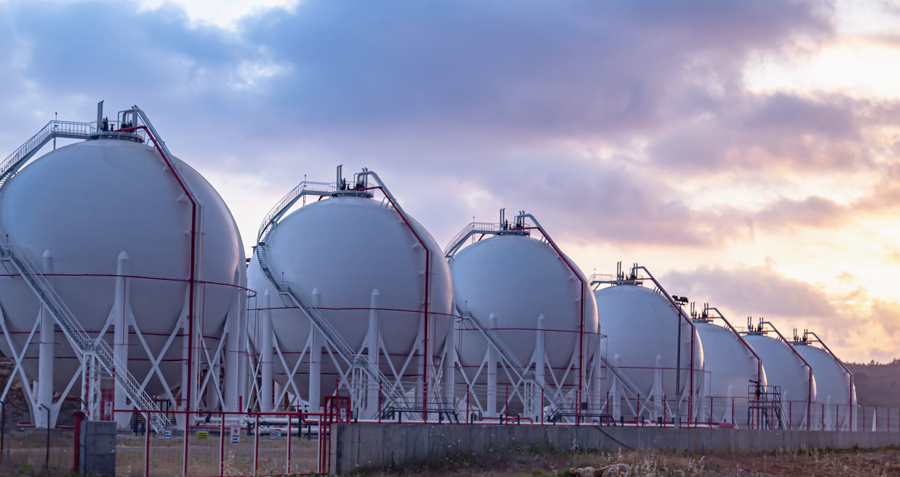
Fueling Today, Preserving Tomorrow
Tight-Gas Sand Appraisal and Development
The Pannonian Basin in southern Hungary represents a highly prospective region for the development of large-scale, deep tight gas sandstone reservoirs. This basin is a proven and mature petroleum province, defined by numerous shallow oil and gas fields developed over several decades.
The deeper basin intervals that typically exceed 2,500 meters remain significantly under-explored and under-appraised. These deeper formations offer substantial untapped potential to contribute to Hungary’s domestic natural gas supply.
With regional energy supply increasingly under pressure, Hungary benefits from an established pipeline network with takeaway capacity and access to storage across the region. This existing infrastructure provides a strong foundation to support the exploration, appraisal, and potential development of deep tight gas resources, enabling a timely and capital-efficient path toward increased energy security and a more resilient energy system.
Tight Gas in Hungary
Our Strategic Position in Kiskunhalas
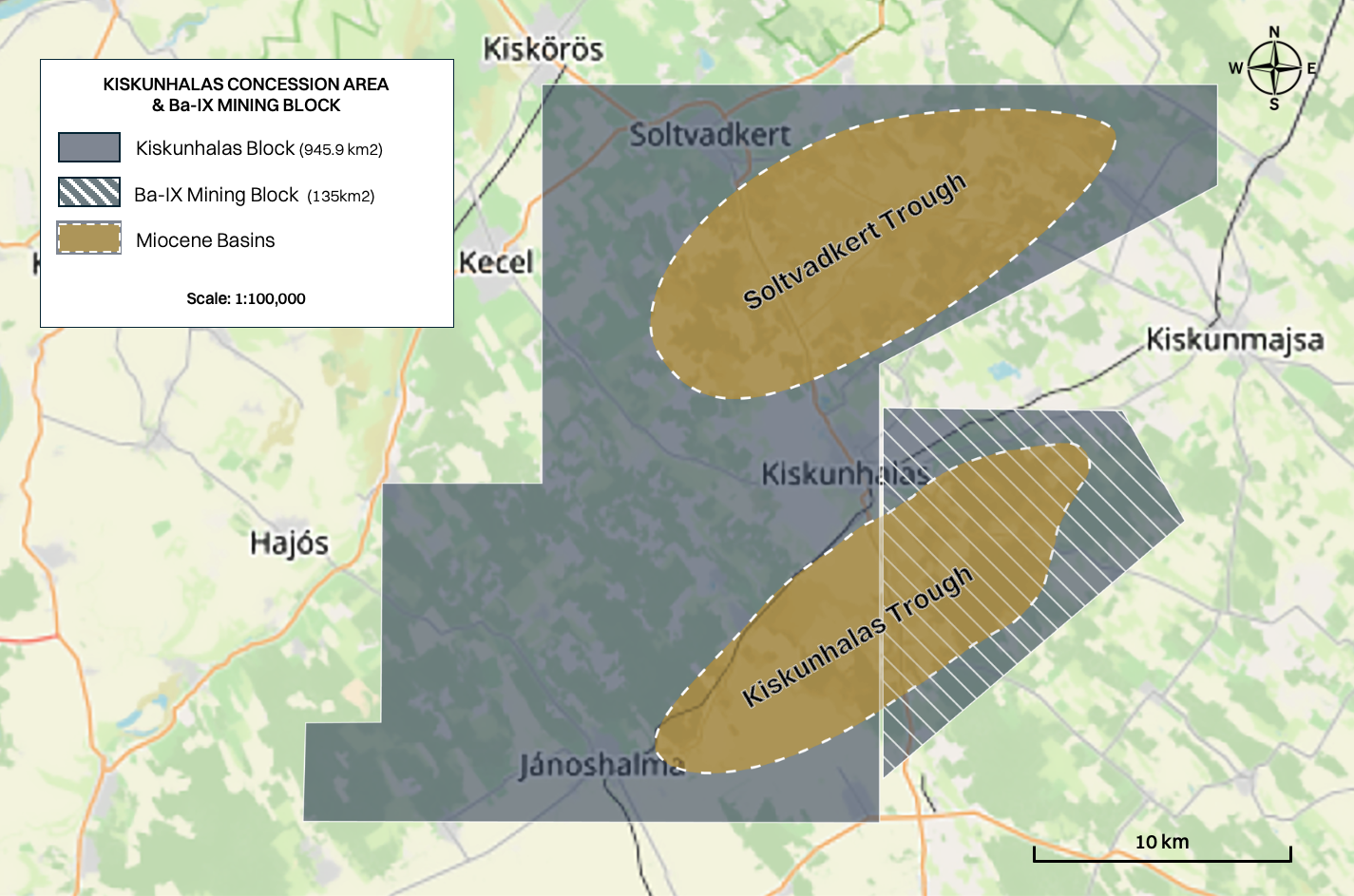
Total Prospect Area: 1,080.9 km² (Ba-IX & Concession)
Term: 20 years with a 10-year extension available
Three plays readily identified:
- Tight Gas Development 25 to 112 wells – Miocene Kiskunhalas Trough
- Shallow leads and prospects across Concession – multiple zones, oil weighted
- Large "untested" Miocene Basin (covering ~30% of block) – Soltvadkert Trough
Technology
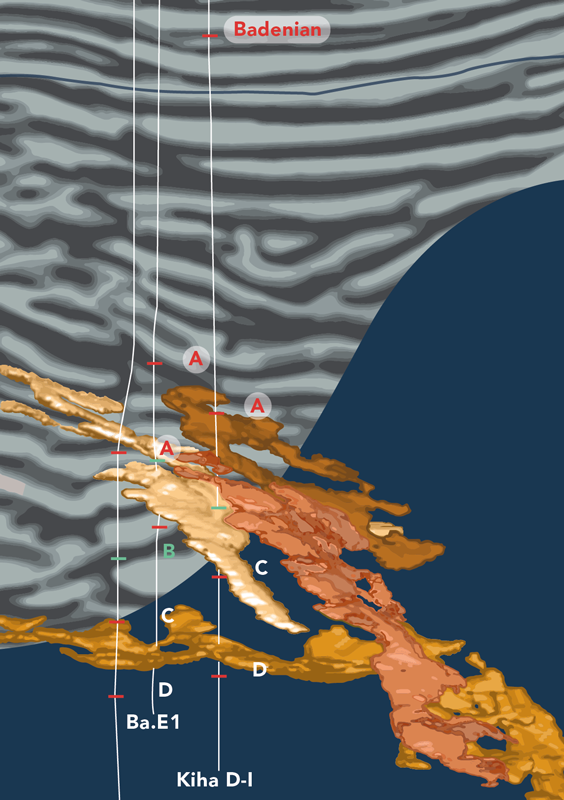
State-of-the-art proprietary 3D seismic volume models, integrated with advanced seismic inversion technology, enables detailed static geologic modeling and the identification of stacked reservoir geobodies. This integrated approach allows us to high-grade the most prospective drilling locations, reduce subsurface uncertainty, and optimize appraisal and development planning.
Tight Gas in Hungary
Our Strategic Position in Kiskunhalas
Total Prospect Area: 1,080.9 km² (Ba-IX & Concession)
Term: 20 years with a 10-year extension available
Three plays readily identified:
- Tight Gas Development 25 to 1112 wells – Miocene Kiskunhalas Trough
- Shallow leads and prospects across Concession – multiple zones, oil weighted
- Large "untested" Miocene Basin (covering ~30% of block) – Soltvadkert Trough

Technology
State-of-the-art proprietary 3D seismic volume models, integrated with advanced seismic inversion technology, enables detailed static geologic modeling and the identification of stacked reservoir geobodies. This integrated approach allows us to high-grade the most prospective drilling locations, reduce subsurface uncertainty, and optimize appraisal and development planning.

Kiskunhalas Subsurface Geology and Petroleum System
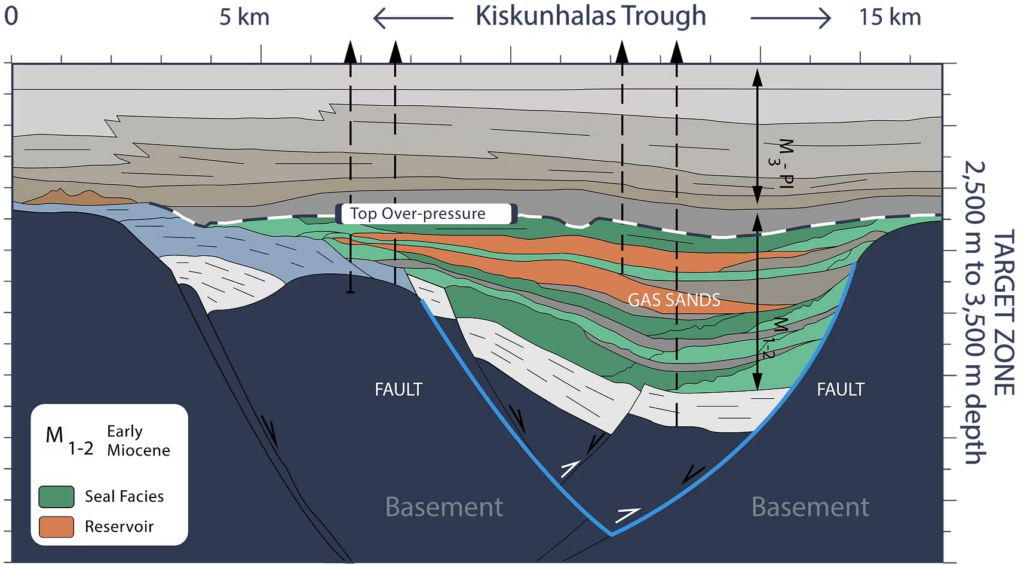
The Kiskunhalas Trough is a Miocene-age sedimentary basin characterized by a favorable petroleum system, combining mature source rock intervals with stacked tight-gas sandstone reservoir geobodies contained within a large, laterally continuous, overpressured trap.
A working hydrocarbon system has been demonstrated by three legacy deep wells that tested natural gas and associated high-API condensate, confirming effective charge, reservoir presence, and trap integrity. These results underpin the subsurface potential of the area and significantly de-risk further appraisal.
The Kiskunhalas Project is focused on advancing this discovery toward commercialization through systematic appraisal and development, with the objective of unlocking a material domestic natural gas resource in Hungary.
Impact for Hungary
We believe that over the next decade, our 100%-owned Kiskunhalas Project has the potential to become a meaningful contributor to European Union natural gas supply and to materially enhance the energy security of Hungary through the development of domestic natural gas resources.
3D Seismic Acquisition
A North American Analog for Tight Gas Development
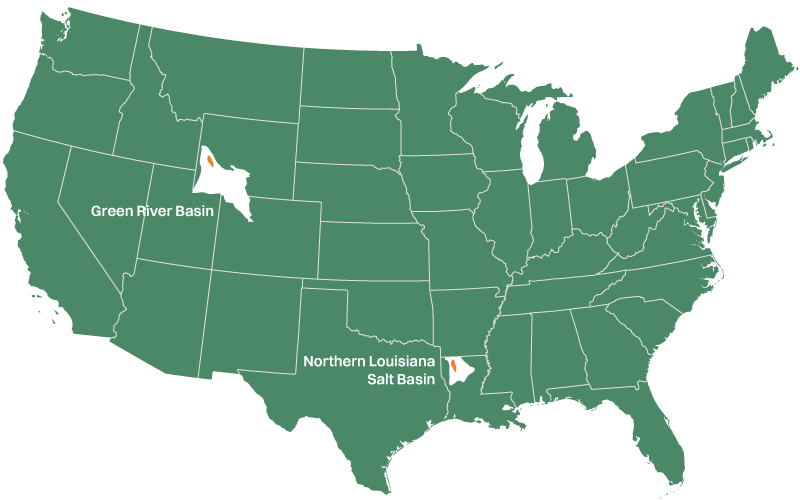
Benchmarking of the Kiskunhalas project with established, commercial tight-gas fields in North America, provides criteria by which to de-risk key technical and operational metrics. We know the gas is in the subsurface at Kiskunhalas, our task is to build investment confidence as to the potential overall field productivity and reduce uncertainty of the modelled well performance—permeability is the key metric. Our goal is to establish commerciality and improved recovery while driving costs lower, all based upon lessons learned in other areas. We know the key hurdles and criteria that define commercial fields in N. America and demonstrate these are present in Kiskunhalas.
Analog Criteria: The Kiskunhalas project shares the following with the selected analogs. Vertical well development of stacked, low-permeability, discontinuous sandstone reservoirs. OGIP over 250 MMcf per acre, hard over-pressured, with depletion drive—wet gas (governed by capillary processes and retrograde behavior). Gas column over 1,500 m with no free water. Defined by subtle structural traps that focus on migration pathways. Fields developed on 10 to 40 acres. Sensitive to gas price and cost structure.
Vernon Field, Northern Louisiana
- 2 TCF recovered, 300 wells
- Well performance: 2 to 10 Bcf
- 2005–2010 main phase dev
- Completion stages 3 to 7

Pinedale Field, Wyoming
(6th largest)
- >5 TCF recovered, 5,000 wells
- Well performance: 1 to 8 Bcf
- 2003–2015 main phase dev
- Completion stages 8 to 15
